Favorite Today, we’re excited to announce the availability of Claude Fable 5.1 on Amazon Bedrock and Claude Platform on AWS. Claude Fable 5.1 delivers frontier intelligence for ambitious tasks across coding, scientific research, and enterprise workflows. Given its capabilities, Anthropic has designated Fable 5.1 a Covered Model, a category of
Read More
 Shared by AWS Machine Learning September 2, 2026
Favorite Here are Google’s latest AI updates from August 2026 View Original Source (blog.google/technology/ai/) Here.
Favorite Built on our latest Nano Banana model, Google Pics — our image creation and editing tool — is now available. View Original Source (blog.google/technology/ai/) Here.
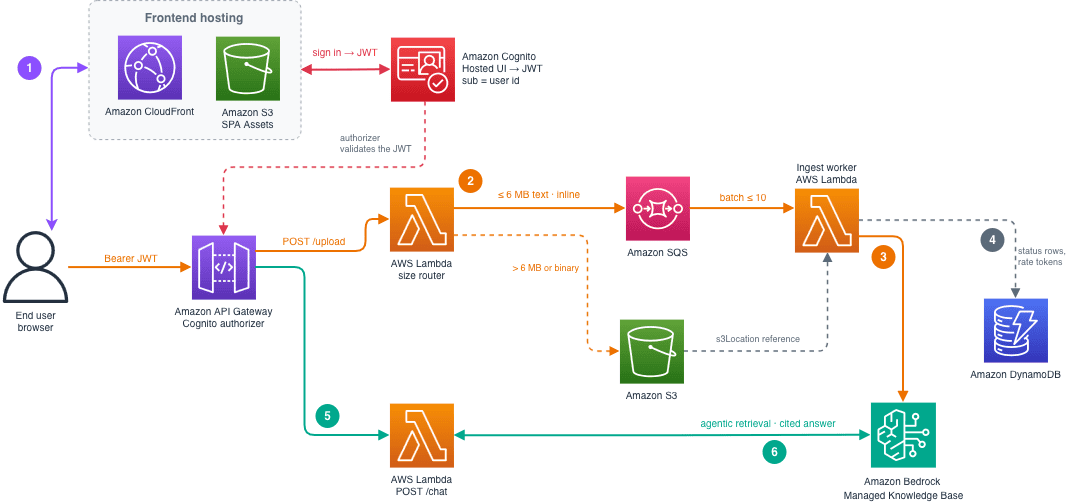
Favorite Multi-tenant agentic chat assistants have become a frequent request for large-scale customers, and document chat sits at the top of the list. A user uploads a contract, a report, or a product manual, and then researches or asks questions about it immediately or in the future. The conversational interface
Read More
Shared by AWS Machine Learning September 1, 2026
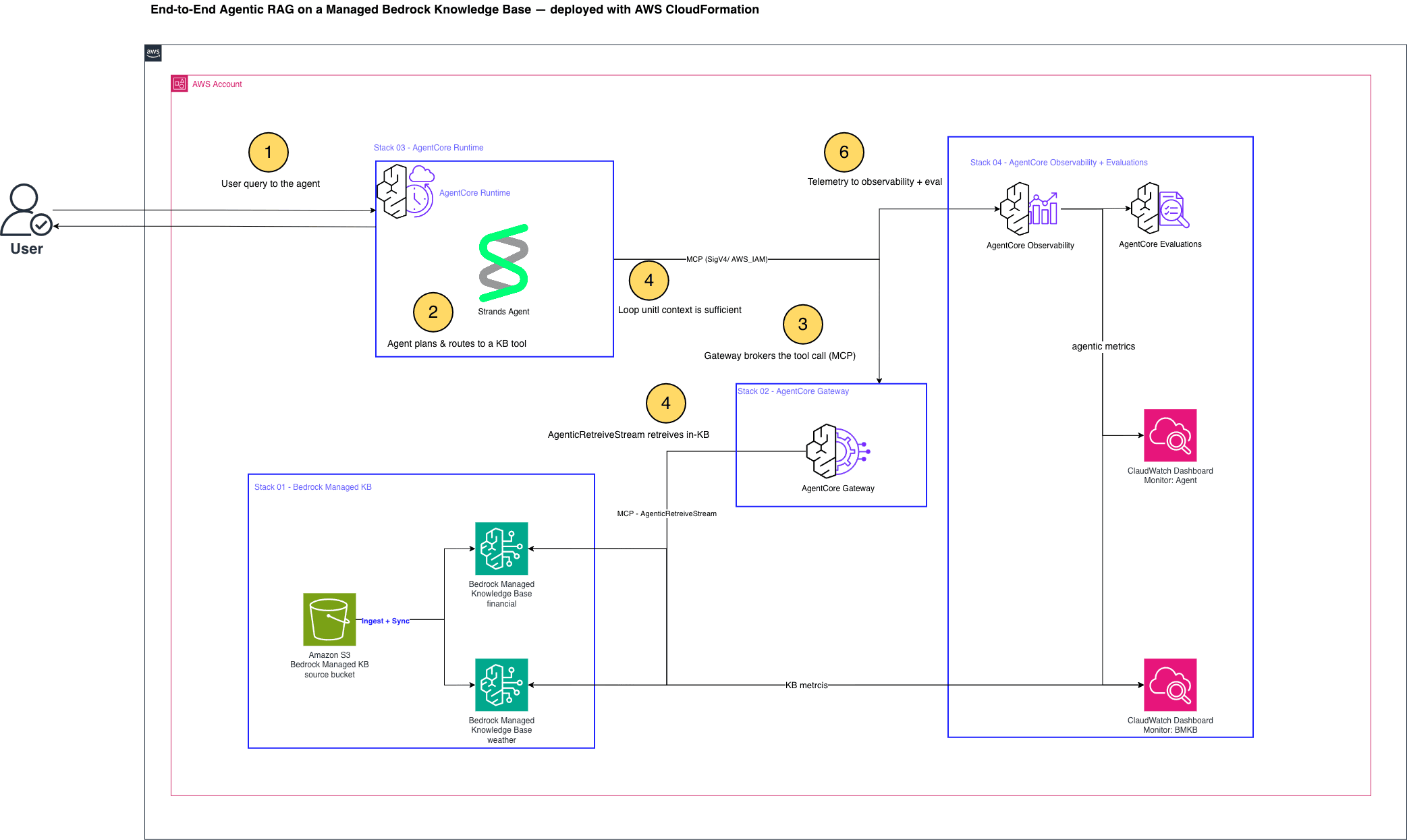
Favorite Teams that add Retrieval Augmented Generation (RAG) to a foundation model usually start with a single retrieval step against a single knowledge base. That works until the questions get harder, when the answer spans several sources, or the system has to decide which source to consult before it can
Read More
Shared by AWS Machine Learning September 1, 2026
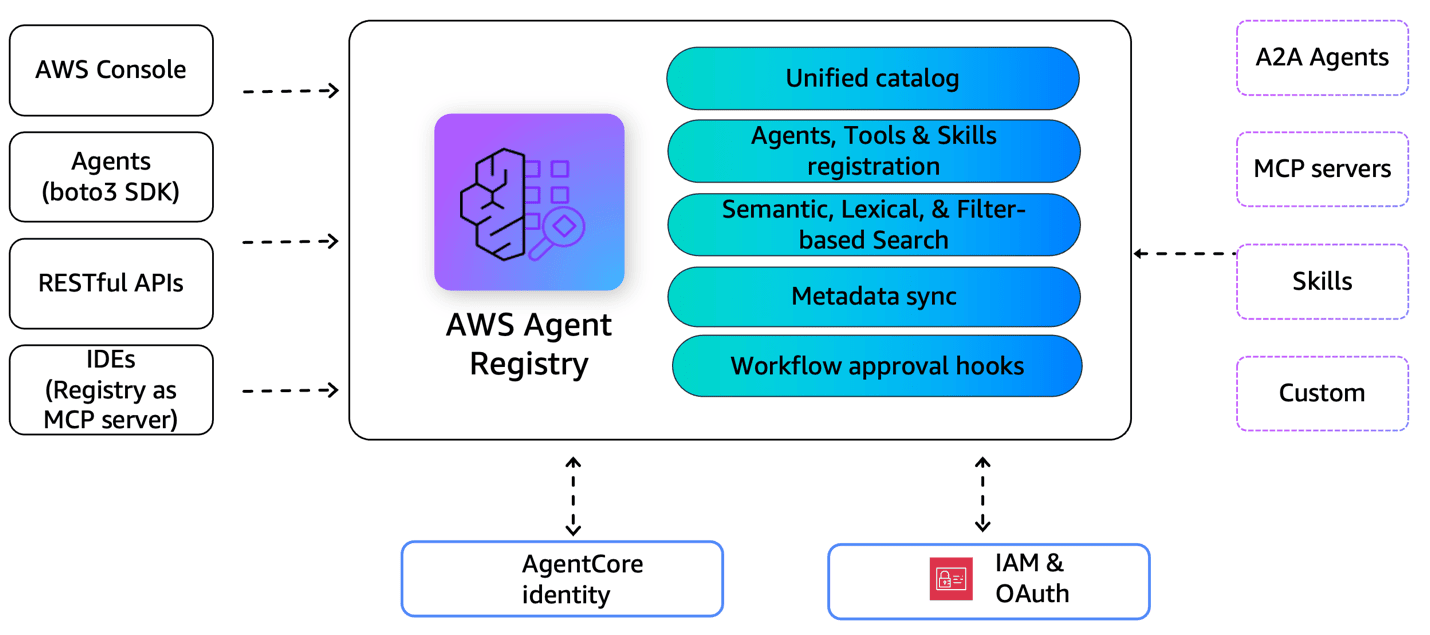
Favorite Most organizations scaling their use of agents and tools hit the same challenges. Teams build in isolation, with no shared record of what exists, who owns it, or whether it’s been reviewed. The problem has moved from building agents and tools to discovering and governing them. AWS Agent Registry
Read More
Shared by AWS Machine Learning September 1, 2026
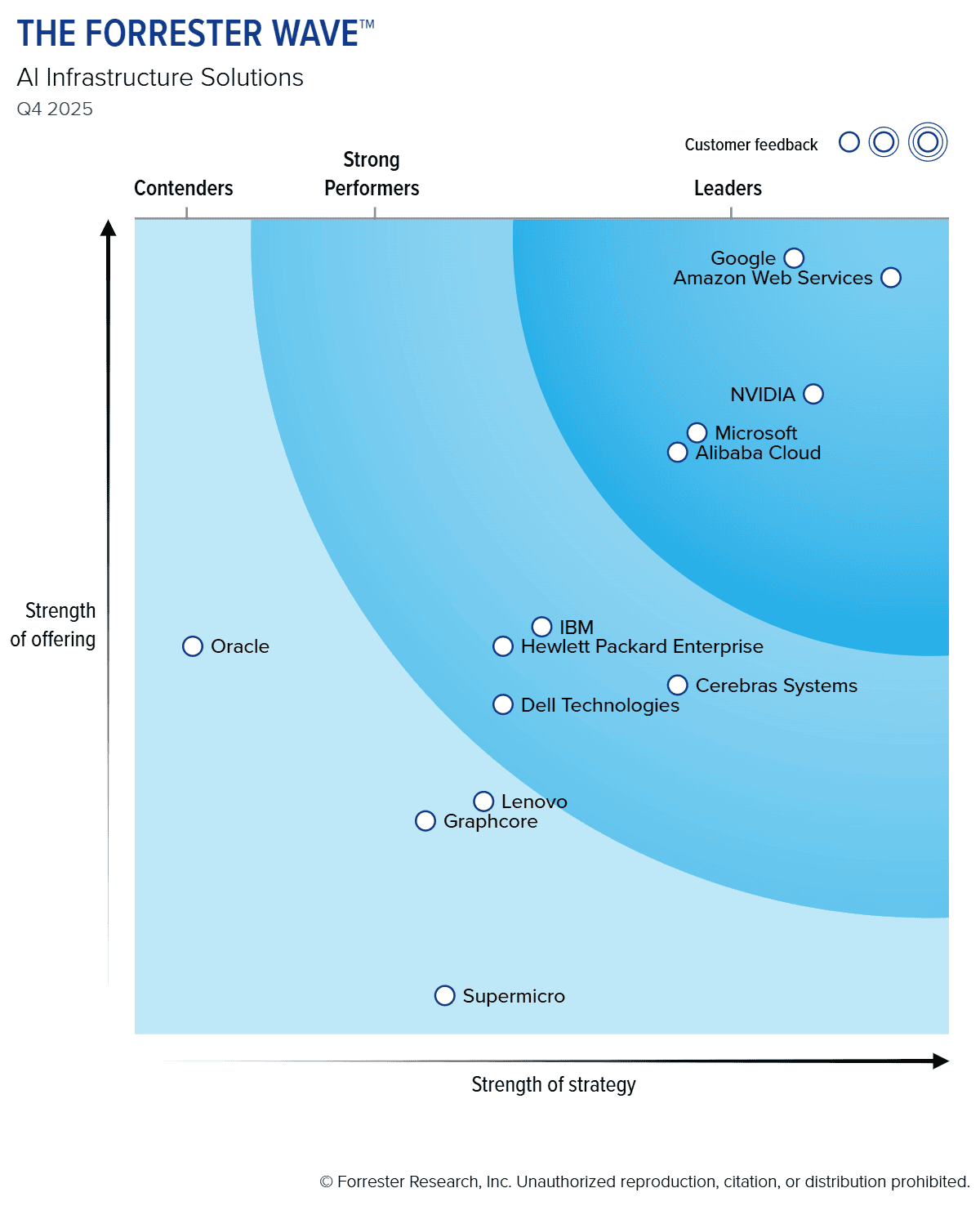
Favorite We’re excited to share that AWS has been recognized as a Leader in The Forrester Wave: AI Infrastructure Solutions, Q4 2025. In this evaluation of 13 providers, AWS received the highest score in the Strategy category. We believe this recognition reflects our commitment to delivering flexible, cost-efficient AI infrastructure
Read More
Shared by AWS Machine Learning September 1, 2026
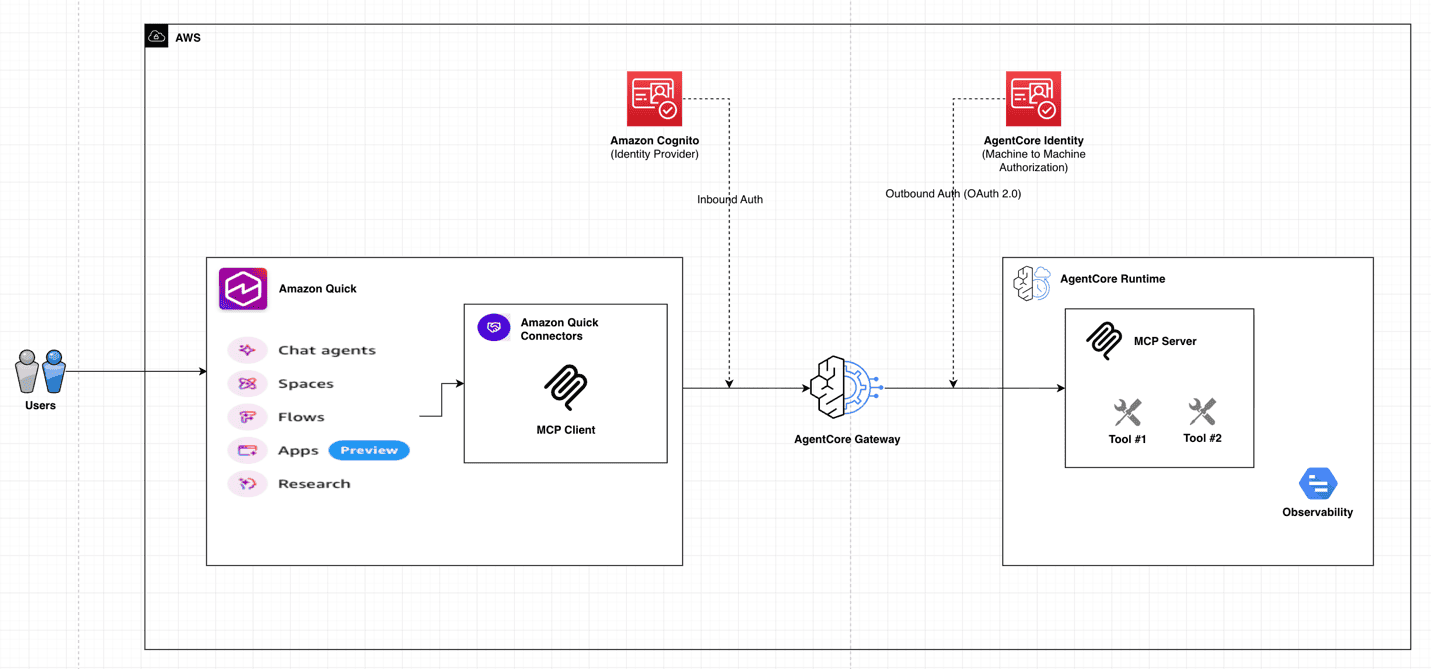
Favorite Model Context Protocol (MCP) servers allow foundation models to access external data and tools, supporting standardized, secure access to files, databases, and APIs. They give AI agents the ability to interact with real-world applications, reduce hallucinations with accurate context, and offer stateful, multi-turn capabilities. Industry-standard architectures quickly evolved and
Read More
Shared by AWS Machine Learning September 1, 2026
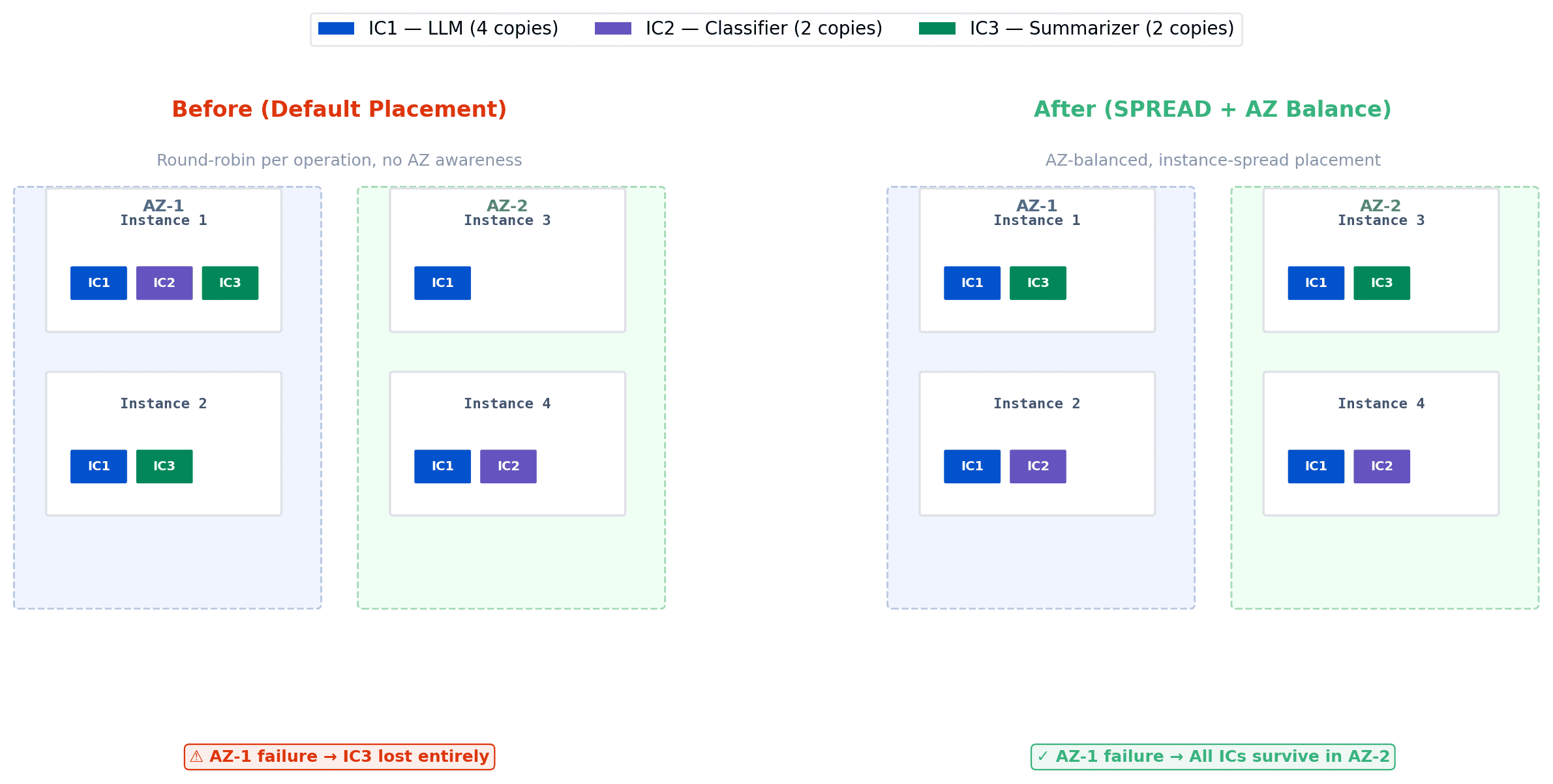
Favorite When Salesforce set out to make Agentforce (Salesforce’s AI foundation for agents) highly available (HA) across multiple Availability Zones (AZs), the team faced a gap. Amazon SageMaker AI Inference Components (ICs) could cut GPU costs, but their default placement didn’t guarantee the Multi-AZ resilience Salesforce’s compliance bar required. For
Read More
Shared by AWS Machine Learning August 29, 2026
Favorite This post is co-written with Vianney Bruned, Filippo Giruzzi, Belkiss Saidi, and Carlos Ramirez from Decathlon. Decathlon is one of the world’s largest sporting goods retailers, with more than 100,000 teammates and 400 million users worldwide. The company relies on accurate demand forecasting at scale to support the availability
Read More
Shared by AWS Machine Learning August 29, 2026


 Shared by AWS Machine Learning September 2, 2026